Skin guide · Dark spots & tone
Dark spots and uneven skin tone: causes, care and a gentle routine
Dark spots after a breakout, patches from sun or hormones, and uneven tone are some of the most common skin concerns — especially for medium and deeper skin tones. Here's what causes them, what dermatologists use, and how to build a gentle routine that doesn't make things worse.
Updated · Sources: American Academy of Dermatology
Quick Answers
- What's the difference between dark spots and uneven skin tone?
- Dark spots are distinct patches darker than the skin around them, often left by a breakout, injury or sun. Uneven skin tone is a broader, blotchier mix of lighter and darker areas. Both can come from extra melanin, and both start with daily sunscreen.
- What is hyperpigmentation?
- Areas of skin that look darker because the skin made extra melanin there — after a pimple, injury, irritation, sun exposure or hormonal change.
- What's the most important step for dark spots?
- Daily sunscreen. Without sun protection, spots can darken and new ones can form, whatever else you use.
- Which ingredients fade dark spots?
- Dermatologists point to azelaic acid, glycolic acid, kojic acid, retinoids and vitamin C, and prescription options such as hydroquinone.
- Is Magic Radiance Renewal Serum a dark spot treatment?
- No. It doesn't contain those fading ingredients. It's a gentle botanical oil that helps skin look more even and radiant as part of a sunscreen-first routine.
- Why do dark spots keep coming back?
- Usually because the trigger is still there — breakouts, irritation from products, or sun. Treating the cause lets many spots fade on their own.
- Is melasma the same as dark spots?
- No. Melasma is a medical condition best managed with a dermatologist.
What causes dark spots?
Dark spots form when something triggers skin to make extra melanin in one area.
Common triggers include:
- A pimple, eczema or psoriasis patch clearing
- A bug bite, cut, burn or other injury healing
- Certain medications
- A skin or hair care product that irritates your skin
- Hormonal changes, such as pregnancy
- Sun exposure
Sun exposure and why sunscreen comes first
Sun keeps dark spots dark; daily broad-spectrum SPF 30+ is the foundation of any dark-spot routine.
Dermatologists recommend a broad-spectrum, water-resistant sunscreen with SPF 30 or higher every day on all skin clothing won't cover. Tinted sunscreens can leave less of a white cast on deeper skin tones.
Source: 10 skin care secrets for healthier-looking skin; How to fade dark spots in darker skin tones
Ingredients with evidence for dark spots
For over-the-counter care, the American Academy of Dermatology lists azelaic acid, glycolic acid, kojic acid, retinoids (retinol, adapalene) and vitamin C as ingredients that can fade existing dark spots. A dermatologist can prescribe stronger options.
To be clear: Magic Radiance Renewal Serum doesn't contain these ingredients and isn't a dark-spot treatment. Its role is nourishing, non-irritating daily care — rose hip, emu, wheat germ oils and centella asiatica — that helps skin look more even and radiant. If you use an active fading product, introduce one at a time.
Skincare for melanin-rich skin
Deeper skin tones are more likely to darken after irritation, so gentle products matter as much as active ones.
Dark spots are one of the most common reasons people with darker skin tones see a dermatologist. Because irritation itself can trigger new spots, a routine that's gentle, consistent and sunscreen-first usually beats piling on harsh scrubs or strong acids. Patch test new products and stop anything that stings or burns.
When to see a dermatologist
See a board-certified dermatologist if spots spread or change, if you're not sure what's causing them, if patches cover the cheeks, forehead or upper lip (which can be melasma), or if over-the-counter care isn't helping after a few months.
Source: Melasma: Diagnosis and treatment
What to look for in products
Broad-spectrum SPF 30+
The single biggest factor. Tinted formulas can blend better on deeper skin tones.
A proven fading ingredient — one at a time
Azelaic acid, glycolic acid, kojic acid, retinoids or vitamin C, introduced slowly.
Gentle, non-stripping basics
A gentle, non-stripping cleanser and nourishing oil keep skin comfortable, so irritation doesn't create new spots.
Patience
Most products take weeks to months. Track progress with photos in the same light.
Realistic expectations
- Spots fade slowly, often over months, and only if the trigger is under control.
- Sunscreen every day is non-negotiable for lasting change.
- Magic Radiance Renewal Serum helps skin look more even and radiant; it is not a fading treatment.
- Melasma and spreading or changing spots need a dermatologist.
The routine
A simple routine that fits
A gentle, sunscreen-first face routine with Magic Skin Repair basics.
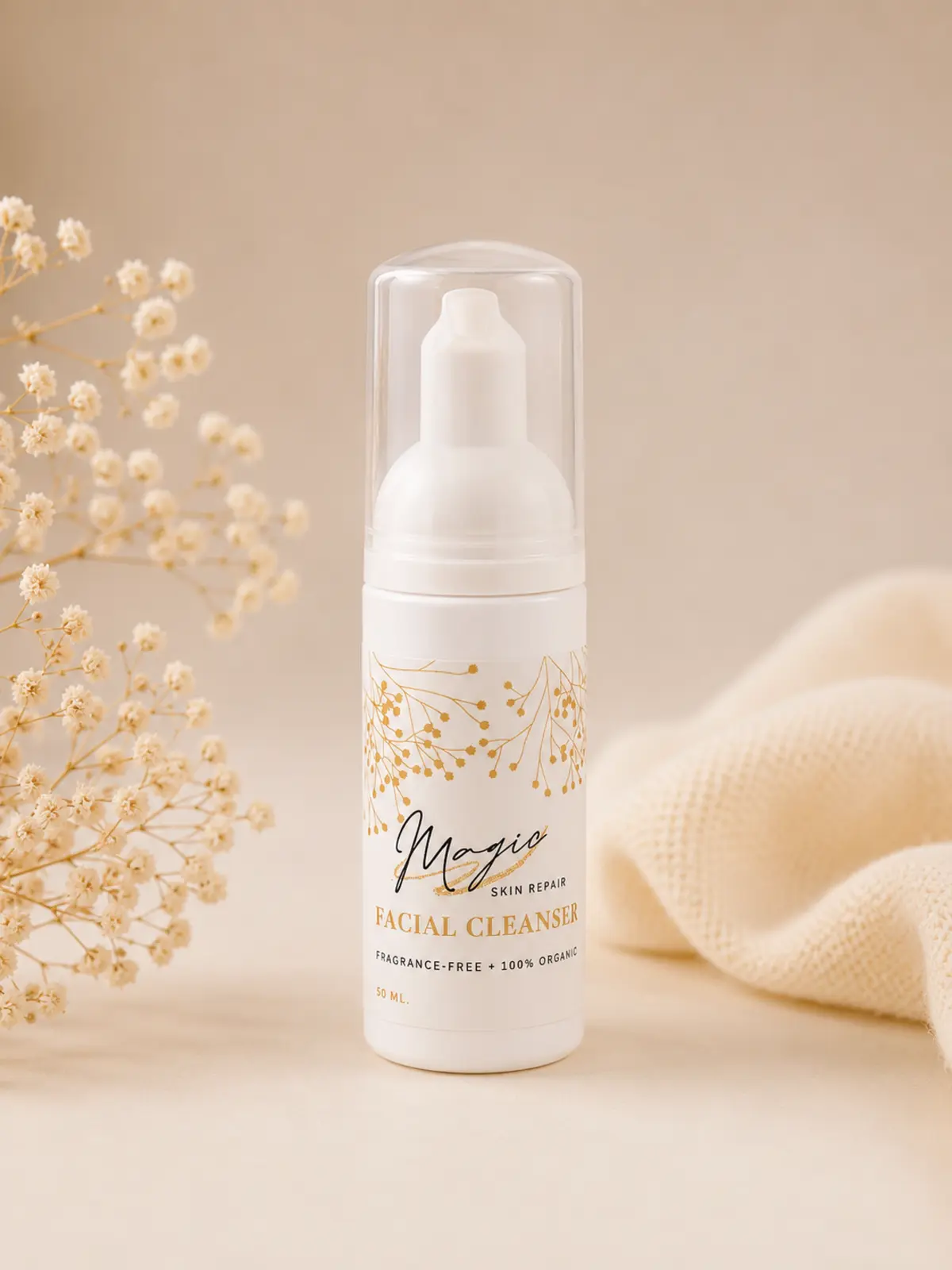
Step 1 · Cleanse · Morning & night
Magic Gentle Purifying CleanserOne pump, massaged for 30 seconds with lukewarm water. Cleanses without stripping.
60ml · $27.99 $16.79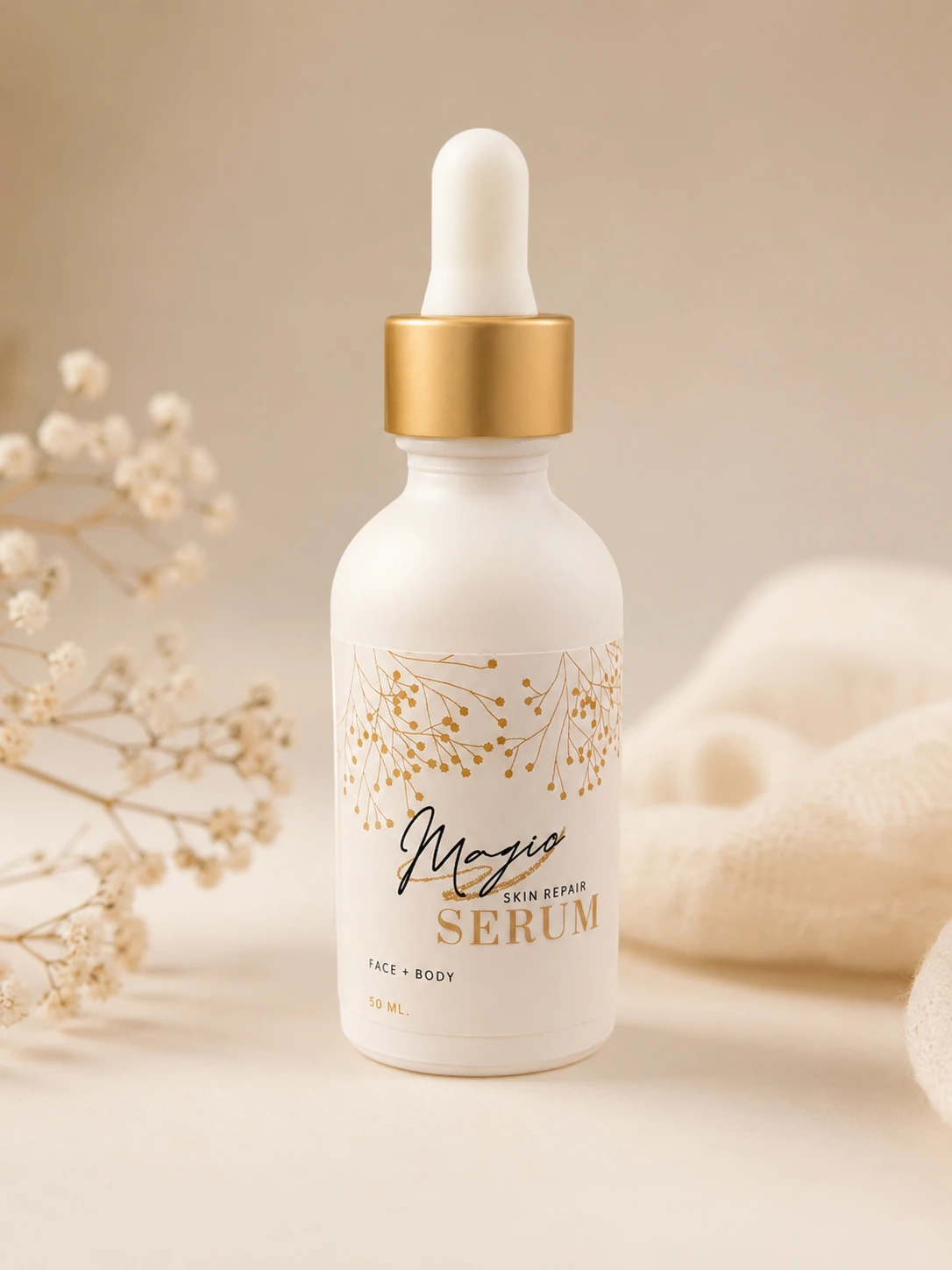
Step 2 · Nourish · Morning & night
Magic Radiance Renewal Serum3 drops pressed onto face and neck. If you use a fading treatment, apply it as directed and keep the rest of your routine gentle.
50ml · $49.99 $29.99Step 3 · Protect · Every morning
Your sunscreen
Finish with broad-spectrum SPF 30+. Magic Radiance Renewal Serum is not a sunscreen.
Safety first
- Patch test anything new: apply a little to your inner forearm twice a day for 4–5 days and only continue if there's no redness or itch. Magic Radiance Renewal Serum contains grapefruit essential oil, so take extra care if your skin is sensitive.
- Stop any product that stings, burns or causes redness — on deeper skin tones, irritation can leave new dark spots.
- Pregnant or nursing? Check with your healthcare provider before starting any new skincare.
Cosmetic skincare, not medical treatment. Individual results vary. Free US shipping over $75 · 15-day returns on unopened items.
More questions
No. It's a botanical oil blend of rose hip, emu and wheat germ oils with centella asiatica — no hydroquinone or harsh acids.
Most people can layer a gentle oil with one active product. Introduce one new product at a time, and check with your dermatologist if you use a prescription.
Yes — Magic Skin Repair is made for all skin types and shades, including melanin-rich skin. Patch test first if your skin is sensitive.
Keep reading
Sources
- American Academy of Dermatology — How to fade dark spots in darker skin tones
- American Academy of Dermatology — 10 skin care secrets for healthier-looking skin
- American Academy of Dermatology — Melasma: Diagnosis and treatment
This guide is general skincare information, not medical advice. For a diagnosis or treatment, see a board-certified dermatologist.